
Introduction
For mid-to-large enterprises seeking scalable ecommerce solutions, combining WooCommerce on WordPress with modern technologies like Laravel microservices and n8n workflow automation delivers a flexible, cost-effective digital architecture. This approach modernizes WooCommerce’s extensible open-source platform into an enterprise-grade ecommerce backbone optimized for real-time inventory, order orchestration, and seamless ERP integration.
WooCommerce Enterprise Backbone with HPOS and API-First Design
WooCommerce, powering around 9.2% of all websites as of 2024, remains one of the most popular ecommerce platforms owing to its open-source flexibility and thriving ecosystem of extensions and plugins. The introduction of High-Performance Order Storage (HPOS) optimizes order and customer data handling by segregating tables, significantly reducing query response times for high-volume stores. This enhancement addresses legacy scalability concerns by improving database performance, a crucial factor for enterprise-grade ecommerce. Improvements in WooCommerce’s enterprise capabilities reflect in its growing adoption by larger businesses.
Its API-first architecture facilitates robust REST APIs that support bidirectional synchronization with enterprise resource planning (ERP) platforms like SAP and NetSuite, as well as CRM systems including Salesforce and Zoho. Enterprises can leverage WooCommerce’s modular framework to build customized integrations that reflect proprietary business workflows without vendor lock-in.
n8n Workflow Automation for Real-Time Orchestration
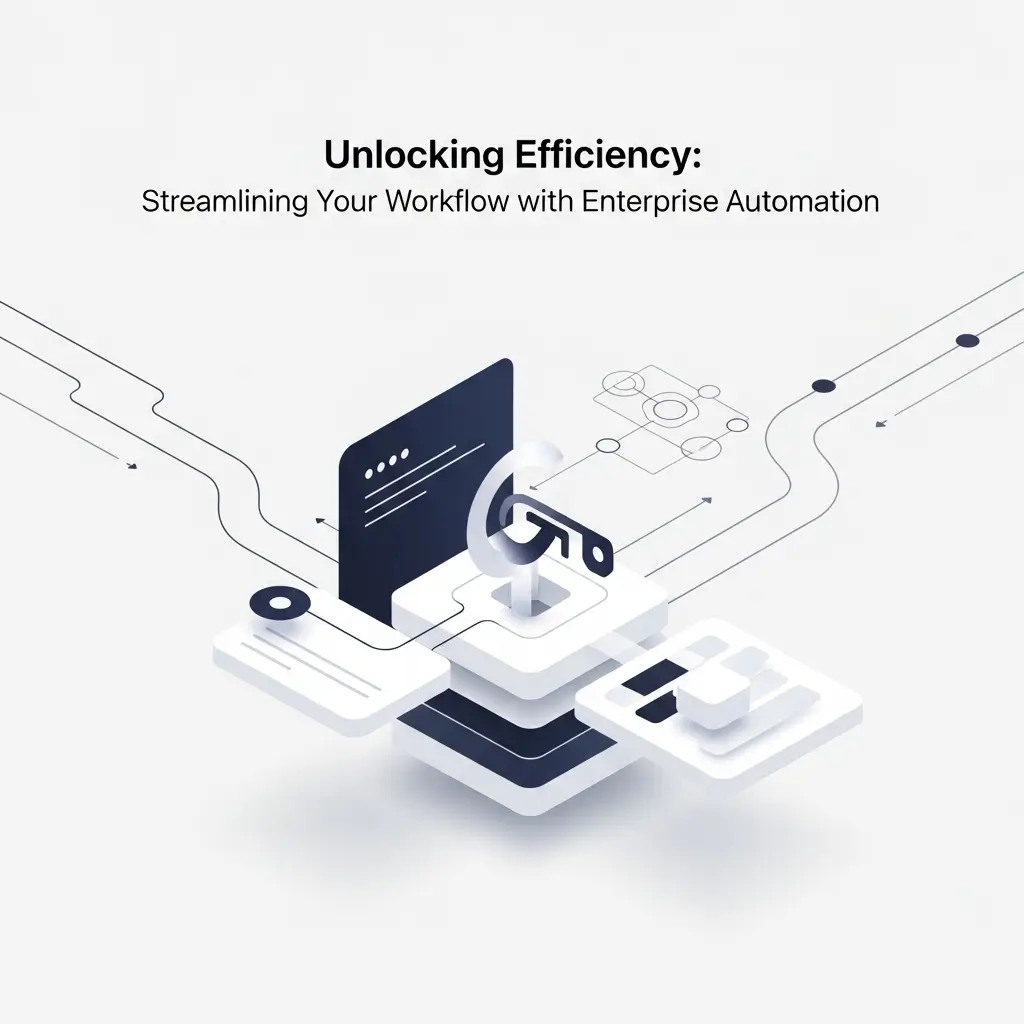
n8n is a low-code, fair-code workflow automation platform that integrates seamlessly with WooCommerce webhooks (e.g., order.created, inventory.updated) to enable event-driven business processes such as:
- Automated ERP syncing post order placement
- Inventory stock deduction and validation
- Order fulfillment routing and notifications
n8n’s node-based design supports HTTP node requests to custom APIs and ERP endpoints delivering near real-time orchestration with sub-second latency under optimal conditions. Its no-code interface promotes rapid prototyping and operational agility, reducing development overhead and bridging gaps between ecommerce and enterprise systems effectively.
Laravel Microservices: Lightweight Custom API Layer
Laravel, a PHP MVC framework recognized for its elegant syntax and modular packaging, serves as an ideal microservices layer to extend WooCommerce APIs. Use cases include:
- Inventory validation endpoints (e.g.,
/inventory/check) - Custom order fulfillment and routing logic
- Authentication and asynchronous processing using Laravel Sanctum and Horizon queues
When containerized with Docker and orchestrated using Kubernetes, these microservices provide scalable, resilient operations that meet enterprise SLAs and support 24/7 ecommerce availability. Case studies have reported significant improvements in efficiency post-automation.
While details about specific case studies can be found in Laravel’s extensive documentation and user guides, they underscore the potential for significantly reducing manual ERP syncs through strategic automation.
Technical Architecture Stack Overview
| Component | Role | Integration Method |
|---|---|---|
| WooCommerce with HPOS | Core ecommerce backend (orders, products, inventory) | REST APIs and Webhooks |
| n8n | Workflow automation for event-driven processes | Webhook triggers and HTTP nodes |
| Laravel Microservices | Custom business logic APIs (e.g., stock validation) | RESTful API calls from n8n and WooCommerce |
| ERP Systems (NetSuite, SAP) | Source of truth for inventory and orders | Bidirectional API synchronization |
Enterprise Integration and Scalability Considerations
Earlier WooCommerce versions without HPOS faced database bloat on large stores, dampening adoption by large enterprises. However, HPOS combined with headless commerce architecture (e.g., decoupled React or Vue frontends, Next.js) drastically improves scalability and front-end performance. Headless setups mitigate caching and latency issues but raise complexity requiring advanced frontend and backend development expertise.
Real-time synchronization challenges include variability in ERP API responsiveness and occasional reliance on polling, which can impact sub-second update goals during traffic spikes like Black Friday sales. Robust orchestration via Kubernetes and resilient microservices design helps ensure high availability.
While WooCommerce offers significant cost advantages over proprietary platforms, enterprises must invest in security audits (PCI compliance) and performance enhancements including Redis caching and CDN integration through providers like Cloudflare or AWS CloudFront.
Business Transformation Impact and AI Integration Potential
This stack is ideal for enterprises managing complex product catalogs (>10k SKUs), diverse sales channels (B2B+D2C), subscription models, and customized product offerings. It enables ownership and customization of proprietary ERP logic without sacrificing scalability or agility.
AI integration opportunities are readily available through embedding GPT-powered customer service chatbots, predictive inventory analytics, and intelligent automated decision-making in Laravel microservices. Leveraging AI APIs such as OpenAI’s GPT models facilitates enhanced user experiences and operational efficiencies, as explored in the discussion on AI Website Builder vs Agency.
Actionable Strategic Takeaways
- Initiate Core Platform: Deploy WooCommerce with HPOS enabled; ensure REST APIs are configured for product and order management. Start with official ERP connectors (e.g., NetSuite) for foundational sync testing.
- Automate with n8n: Build webhook-triggered workflows to automate inventory deduction, ERP syncing, and notifications. Incorporate robust error handling and retry mechanisms for enterprise resilience.
- Develop Laravel Microservices: Create custom API endpoints secured by Laravel Sanctum; use asynchronous queuing (Laravel Horizon) for heavy processes. Containerize with Docker and orchestrate with Kubernetes for scalability.
- Test Real-Time Capabilities: Simulate high order throughput scenarios (e.g., 1000 orders/min) and monitor latency across n8n workflows, WooCommerce analytics, and ERP endpoints. Introduce Redis or Varnish caching to reduce load.
- Scale & Secure: Migrate toward headless frontends with Next.js or Vue for optimal UX and SEO, deploy on performant cloud infrastructure (WP VIP, AWS, or GCP), and conduct mandatory security/compliance audits.
- Plan AI Augmentation: Integrate AI-powered analytics dashboards and LLMs for predictive inventory management and personalized customer experiences on ecommerce and mobile platforms. The Scalable API Ecosystem AI Enterprise Integration offers strategic insights into how to adopt these advanced technologies.
Conclusion: Future-Proofing Enterprise Ecommerce
Combining WooCommerce with HPOS, n8n automation, and Laravel microservices presents a modern microservices-driven architecture that balances low total cost of ownership with modular extensibility and scalability. This stack empowers enterprises to retain control over ecommerce and ERP business logic while enabling real-time orchestration critical for omnichannel retail success.
As ecommerce continues evolving with AI augmentations and cloud-native infrastructure, enterprises leveraging this integrated approach with Folkastudio maximize digital transformation ROI and position themselves to adapt dynamically to emerging trends and customer demands.